
Blog
Most chiropractic students prepare for boards by asking one question:
“What do I need to know?”
High-scoring students ask a different one:
“How does the NBCE think?”
Board exams aren’t random collections of facts. They follow patterns—patterns shaped by how questions are written, how answers are...
One of the most frustrating things chiropractic students say about board exams is:
“When am I ever going to use this?”
It’s a fair question.
Some board topics feel obscure, overly detailed, or disconnected from real-life practice. But the truth is, the NBCE isn’t testing information at random.
T...
If DXI (Diagnostic Imaging Interpretation) questions on NBCE Part III make you freeze, you’re not alone.
Most students don’t struggle because they “don’t know enough anatomy.” They struggle because DXI questions demand something different than memorization:
✅ pattern recognition
✅ clinical reason...

NBCE Part III is where everything becomes real.
Suddenly:
- It’s not about flashcards — it’s about decisions.
- It’s not “what is it?” — it’s “what do you do next?”
- It’s not safety in a classroom — it’s safety for real patients.
And then there’s DXI — where images aren’t labeled, and tiny detai...
One of the biggest mistakes students make when studying for NBCE Part III Diagnostic Imaging Interpretation (DXI) is assuming the exam is testing radiology knowledge alone.
It’s not.
NBCE Part III DXI questions are written to test how you think, not how many diagnoses you can memorize. Once you un...
One of the most important skills tested on the Diagnostic Imaging Interpretation (DXI) portion of NBCE Part III is knowing when not to treat.
Students often assume boards reward confident diagnosis. In reality, Part III frequently rewards something more subtle—and more important:
Recognizing red f...
Soft tissue questions on the Diagnostic Imaging Interpretation (DXI) portion of NBCE Part III often catch students off guard.
Not because they’re obscure—but because many students subconsciously think: “X-rays are for bones.”
NBCE knows this, and soft tissue DXI questions are designed to test whet...
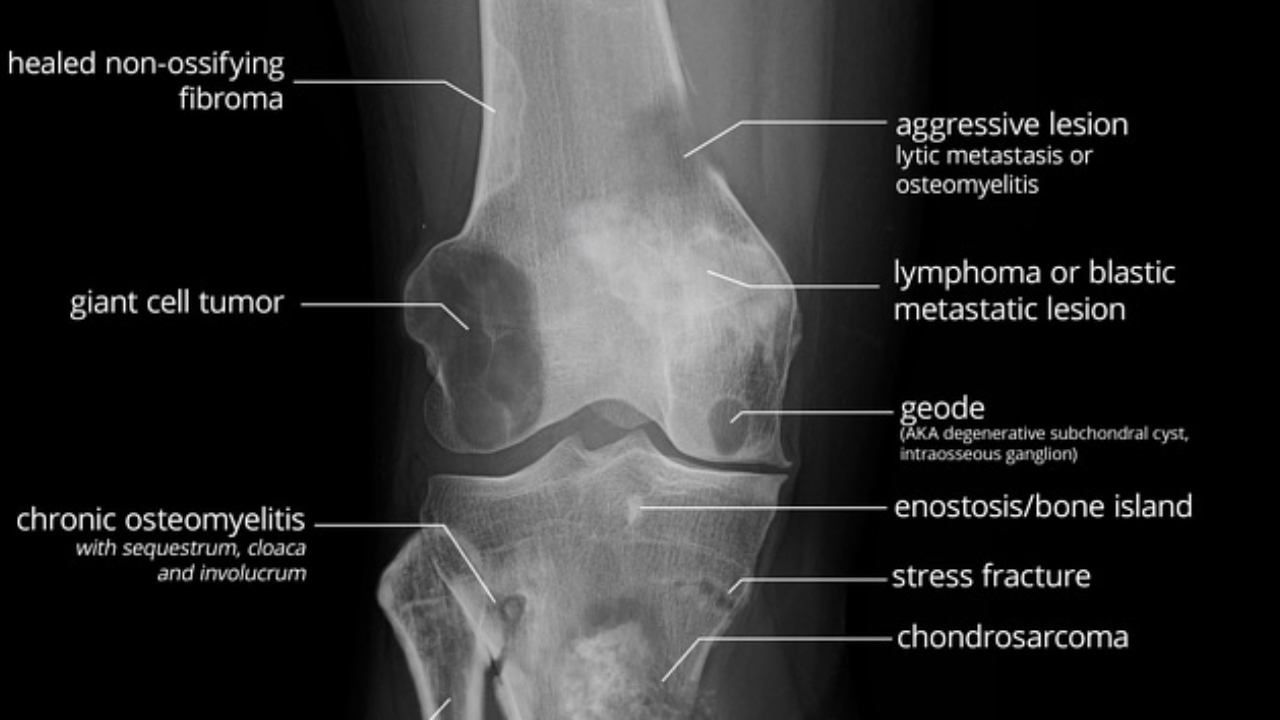
Tumors and tumor-like processes are one of the most anxiety-provoking categories in the Diagnostic Imaging Interpretation (DXI) portion of NBCE Part III.
Not because students can’t learn the material—but because they assume:
“If it’s a tumor question, I have to know the exact diagnosis.”
NBCE doe...
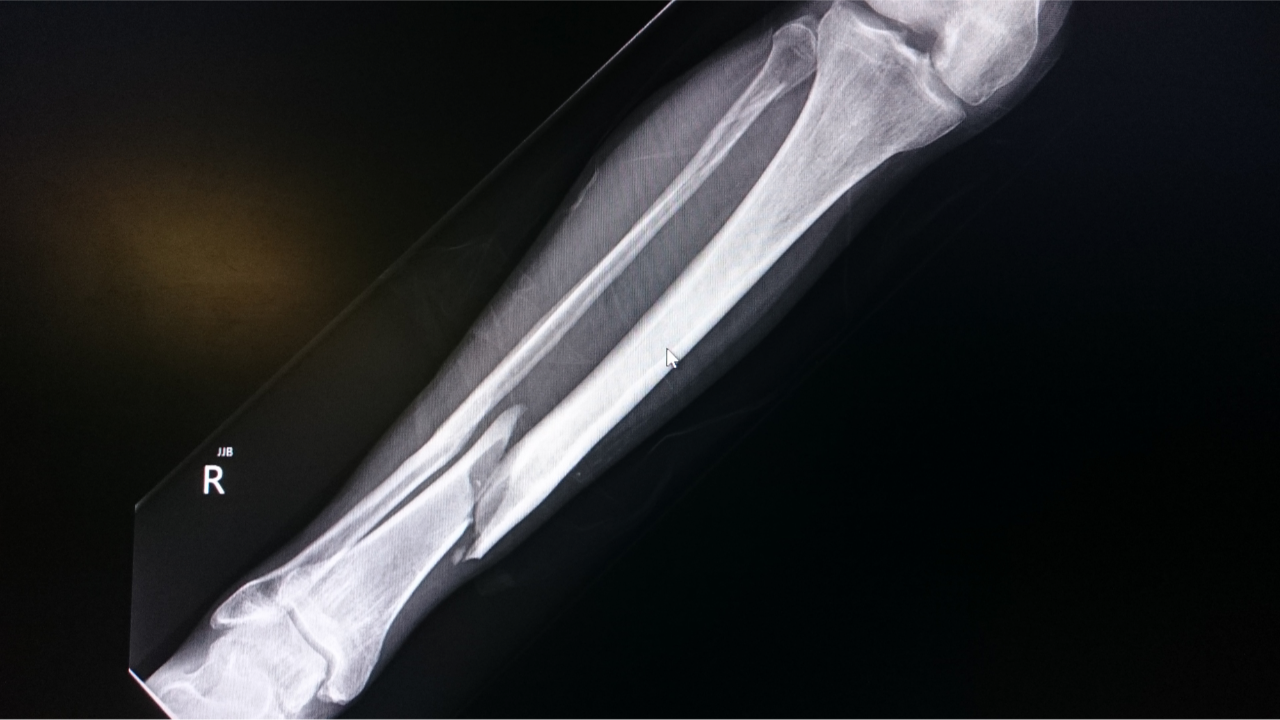
Trauma imaging questions on the Diagnostic Imaging Interpretation (DXI) portion of NBCE Part III are some of the most predictable—and still frequently missed—questions on the exam.
Not because trauma is unfamiliar, but because students often:
Overfocus on naming fractures instead of recognizing pa...
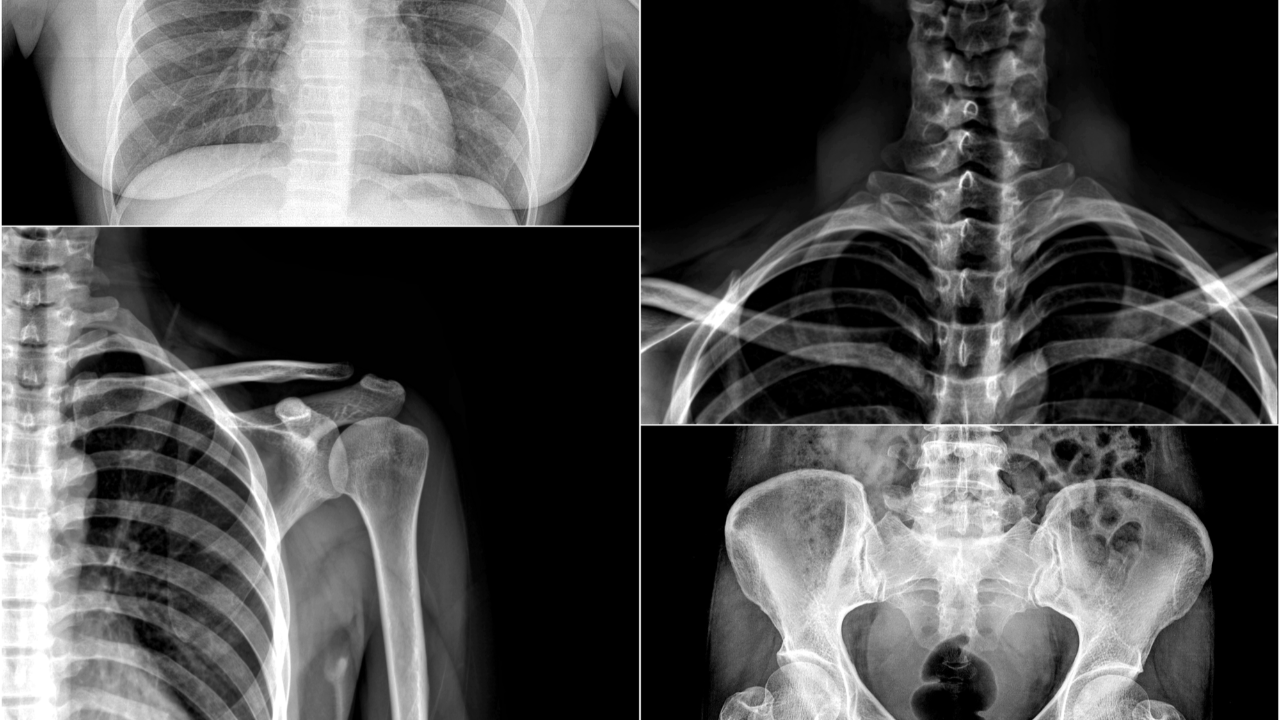
Congenital anomalies and skeletal variants are one of the highest missed categories in the Diagnostic Imaging Interpretation (DXI) portion of NBCE Part III.
Not because the material is complex—but because chiropractic students often assume:
“If it’s congenital, it’s not important.”
NBCE knows thi...
Arthritic disorders make up the largest single category within the Diagnostic Imaging Interpretation (DXI) portion of NBCE Part III—and they’re also one of the most commonly missed areas by students.
Not because the material is unfamiliar, but because DXI arthritis questions are rarely about memori...
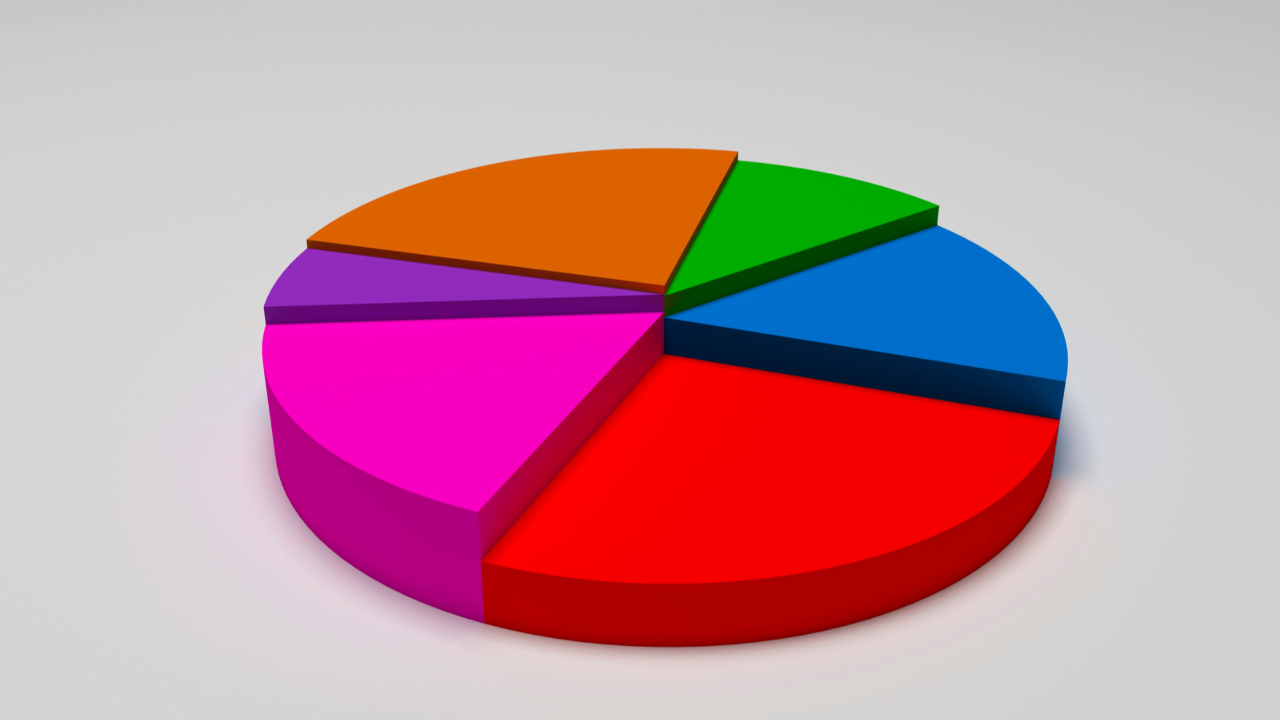
If you’re preparing for the NBCE Part III exam with Diagnostic Imaging Interpretation (DXI), understanding how the exam organizes imaging content is just as important as knowing individual diagnoses.
DXI questions often feel more difficult than they should—not because the material is impossible, bu...
