
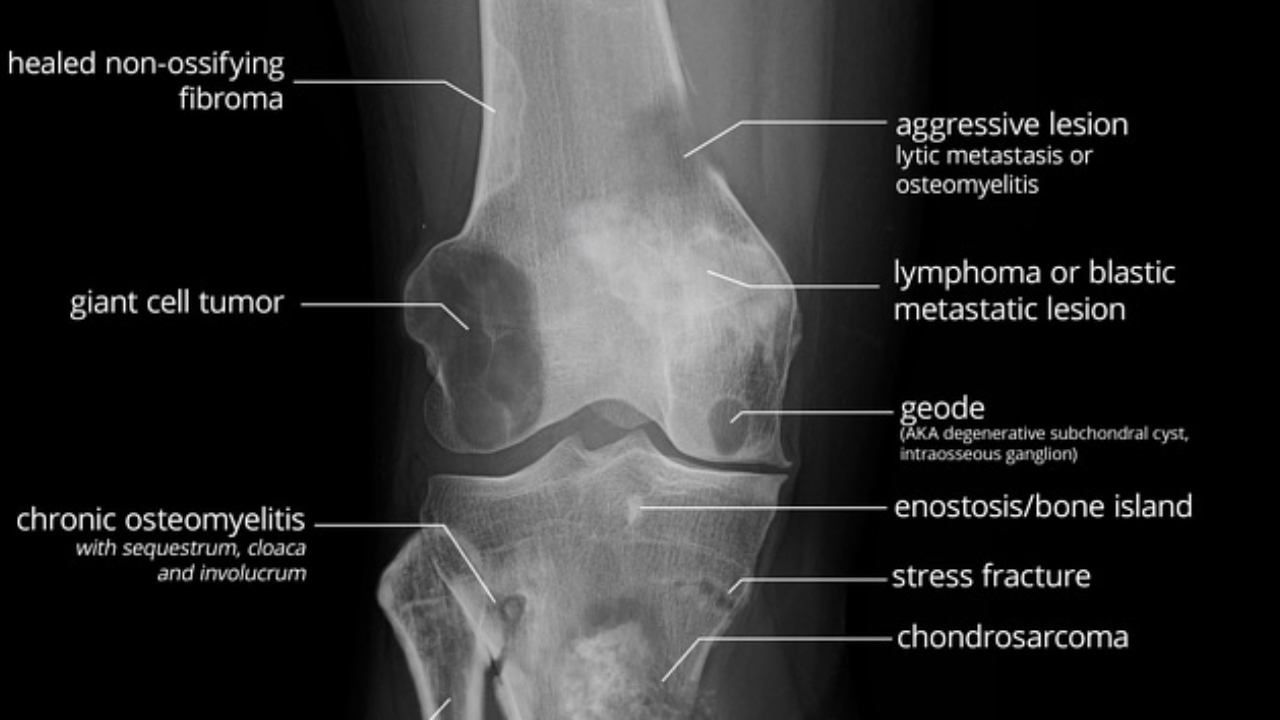
Tumors vs Tumor-Like Processes DXI on NBCE Part III: How to Stay Calm and Think Clinically
Tumors and tumor-like processes are one of the most anxiety-provoking categories in the Diagnostic Imaging Interpretation (DXI) portion of NBCE Part III.
Not because students can’t learn the material—but because they assume:
“If it’s a tumor question, I have to know the exact diagnosis.”
NBCE does not expect that.
What they do expect is that you can:
- Recognize benign vs aggressive behavior
- Identify red flags
- Understand when imaging findings require referral
- Avoid over- or under-reacting based on imaging descriptions
This guide breaks down how tumors and tumor-like processes are tested on Part III DXI—and how to approach these questions without panic.
Why Tumors & Tumor-Like Processes Trigger So Much Anxiety
This category accounts for approximately 20% of DXI content, making it one of the most heavily weighted sections on Part III.
NBCE favors this category because it allows examiners to test:
- Clinical judgment under uncertainty
- Pattern recognition
- Patient safety and referral decisions
- Appropriate escalation of care
In other words, these questions test whether you can stay calm and think clinically.
Tumors vs Tumor-Like Processes: The Core Concept
Before looking at specific conditions, you must understand how NBCE separates these entities conceptually.
Tumors
- True neoplastic processes
- Can be benign or malignant
- Often demonstrate bone destruction or aggressive behavior
Tumor-Like Processes
- Non-neoplastic
- Often reactive or developmental
- Can mimic tumors on imaging but lack aggressive features
NBCE questions often hinge on whether you recognize behavior, not labels.
The Most Important Skill: Assessing Aggressiveness
NBCE DXI tumor questions almost always come down to one question:
“Does this look aggressive?”
Aggressive Imaging Features (High-Yield)
- Ill-defined or permeative borders
- Cortical destruction
- Periosteal reaction
- Soft tissue mass
- Rapid progression
If these are present, referral is the correct mindset—even if you can’t name the lesion.
Benign Tumors: What NBCE Expects You to Recognize
Benign tumors are often used as contrast cases.
Common Benign Imaging Features
- Well-defined margins
- Narrow zone of transition
- Cortical thinning without destruction
- Lack of soft tissue mass
Board Focus
NBCE rarely asks for the exact tumor name. They want to know whether:
- The lesion appears benign
- Conservative management or monitoring is reasonable
- Immediate referral is not indicated
Malignant Tumors: Recognize the Red Flags
Malignant tumors are tested through behavior patterns, not memorization.
Imaging Clues Suggesting Malignancy
- Poorly defined margins
- Wide zone of transition
- Cortical destruction
- Periosteal reaction (e.g., sunburst, Codman triangle)
- Associated soft tissue mass
Board Expectation
If imaging suggests aggressive behavior, NBCE expects you to:
- Recognize the danger
- Recommend referral
- Avoid conservative management
Naming the cancer is far less important than acting appropriately.
Tumor-Like Processes: The Common DXI Traps
Tumor-like processes are a favorite NBCE trap because they look alarming but behave benignly.
Common Tumor-Like Examples
- Bone cysts
- Fibrous dysplasia
- Developmental or reactive bone changes
How NBCE Tests This
These lesions often appear with:
- Well-defined margins
- Predictable locations
- Lack of aggressive features
The test is whether you can resist overreacting.
The Highest-Yield Comparison: Aggressive vs Non-Aggressive
If you can run this mental checklist, you’ll answer most tumor DXI questions correctly.
|
Feature |
Benign / Tumor-Like |
Aggressive |
|
Margins |
Well-defined |
Poorly defined |
|
Cortical bone |
Thinned |
Destroyed |
|
Zone of transition |
Narrow |
Wide |
|
Soft tissue mass |
Absent |
Present |
|
Management |
Monitor |
Refer |
NBCE cares far more about this comparison than exact diagnoses.
Imaging Appropriateness: What Part III Is Really Testing
DXI tumor questions frequently assess whether you:
- Recognize imaging red flags
- Understand when X-ray is not enough
- Know when immediate referral is indicated
If aggressive features are present, advanced imaging and referral are usually the correct direction.
Common Student Mistakes with Tumor DXI
Students most often lose points by:
- Panicking and overthinking
- Trying to name rare tumors
- Ignoring behavior patterns
- Choosing conservative management when red flags are present
DXI rewards clear, calm reasoning.
How to Study Tumors for DXI Without Burnout
The best strategy is:
- Study behavior patterns, not exhaustive lists
- Practice classifying lesions as aggressive vs non-aggressive
- Focus on management decisions
- Remember: safety > specificity
This aligns perfectly with NBCE Part III logic.
Frequently Asked Questions: Tumors & DXI on NBCE Part III
Do I need to memorize every bone tumor for Part III?
No. NBCE does not expect encyclopedic tumor knowledge. They test your ability to recognize aggressive behavior and appropriate response.
Will NBCE ask me to name a specific tumor?
Occasionally, but far more often they ask what the findings suggest and what to do next. Pattern recognition matters more than labels.
How do I avoid panicking during tumor DXI questions?
Focus on behavior, not diagnosis. Ask yourself:
- Does this look aggressive?
- Are there red flags?
- Is referral indicated?
Those questions alone guide you to the correct answer.
Are tumor-like processes common on Part III?
Yes. They’re frequently used as contrast cases to test whether you can avoid unnecessary escalation.
When should I recommend referral on tumor DXI questions?
Any time imaging suggests:
- Cortical destruction
- Ill-defined margins
- Soft tissue mass
- Periosteal reaction
Referral is the safest and most board-appropriate answer.
Is advanced imaging required for all suspected tumors?
Not all—but if aggressive features are present, NBCE expects you to recognize that plain-film imaging is insufficient and referral is appropriate.
What’s the biggest mindset shift for tumor DXI success?
Stop asking:
“What tumor is this?”
Start asking:
“Is this safe or unsafe to manage conservatively?”
That shift dramatically lowers anxiety and improves accuracy.
Final Takeaway
Tumors and tumor-like processes feel intimidating because students think they need perfect recall. NBCE Part III does not test that.
They test whether you can:
- Recognize aggressive vs non-aggressive behavior
- Prioritize patient safety
- Make appropriate clinical decisions
If you can stay calm and think in patterns, tumor DXI becomes one of the most manageable sections of the exam.
This behavior-first, reasoning-based framework is exactly how our upcoming NBCE Part III DXI review is structured—so students can approach even high-anxiety topics with confidence and clarity.
Still stuck on how to study for your chiro board exam?
Check out all of Chiro Aligned Learning’s products, follow us on Instagram for what to expect during your exams or reach out to us with questions via email at [email protected]!
Don't Miss Any Tips!
New tips, tactics and strategies for effective studying and test-taking sent straight to your inbox.
We hate spam. We will never sell your information, for any reason.
