
Trauma Imaging Patterns on NBCE Part III DXI: How to Spot What Actually Matters
Trauma imaging questions on the Diagnostic Imaging Interpretation (DXI) portion of NBCE Part III are some of the most predictable—and still frequently missed—questions on the exam.
Not because trauma is unfamiliar, but because students often:
Overfocus on naming fractures instead of recognizing patterns, mechanisms, and red flags.
NBCE trauma DXI questions test whether you can:
- Recognize clinically significant injury
- Match imaging findings to mechanism of trauma
- Identify unstable or dangerous patterns
- Decide when referral or further imaging is required
This guide breaks down how trauma is tested on Part III DXI—and how to approach these questions calmly and accurately.
Why Trauma Is High-Yield on NBCE Part III
Trauma accounts for approximately 10% of DXI content, but it appears disproportionately in:
- High-stakes decision questions
- Referral and management scenarios
- Extended multiple-choice cases
NBCE favors trauma because it tests clinical safety and judgment, not memorization.
The Core Trauma DXI Skill: Mechanism + Pattern
Every trauma DXI question revolves around one key idea:
Mechanism of injury predicts imaging pattern.
If you can link the history to what you expect to see on imaging, most trauma questions become straightforward.
High-Yield Trauma Categories Tested on DXI
NBCE trauma questions tend to fall into predictable groups.
1. Compression Injuries
Common Examples
- Vertebral compression fractures
- Falls from height
- Osteoporotic collapse
Imaging Clues
- Loss of anterior vertebral body height
- Wedge-shaped vertebra
- Intact posterior elements
Board Focus
NBCE often tests whether the injury appears stable vs unstable and whether conservative management is reasonable.
2. Flexion Injuries
Common Mechanisms
- Forward bending with force
- Seatbelt injuries
Imaging Clues
- Anterior wedging
- Increased interspinous distance
- Possible posterior ligament involvement
Board Trap
Assuming all flexion injuries are stable. NBCE tests whether you recognize ligamentous instability.
3. Extension Injuries
Common Mechanisms
- Rear-end collisions
- Forced hyperextension
Imaging Clues
- Posterior element fractures
- Widened anterior disc spaces
- Possible avulsion fractures
Board Focus
These injuries may appear subtle but can be clinically significant, especially in older patients.
4. Rotational / Shearing Injuries
Common Mechanisms
- Twisting trauma
- High-velocity impacts
Imaging Clues
- Asymmetry
- Malalignment
- Facet dislocation or subluxation
Board Expectation
Rotational injuries are often unstable. NBCE expects recognition of high-risk patterns requiring referral.
5. Burst Fractures (High-Risk Pattern)
Imaging Features
- Loss of vertebral body height
- Retropulsion of bone fragments
- Posterior wall involvement
Why NBCE Loves This Topic
Burst fractures test whether you can distinguish them from simple compression fractures—and recognize neurologic risk.
Clearing the Spine: A Common DXI Theme
NBCE frequently tests whether:
- Imaging is sufficient
- Advanced imaging is indicated
- The spine can be safely cleared
Questions often include:
- Neurologic symptoms
- High-energy mechanisms
- Inconclusive plain films
When in doubt, NBCE prioritizes patient safety.
Extraspinal Trauma Patterns
Trauma DXI is not limited to the spine.
Common extraspinal topics include:
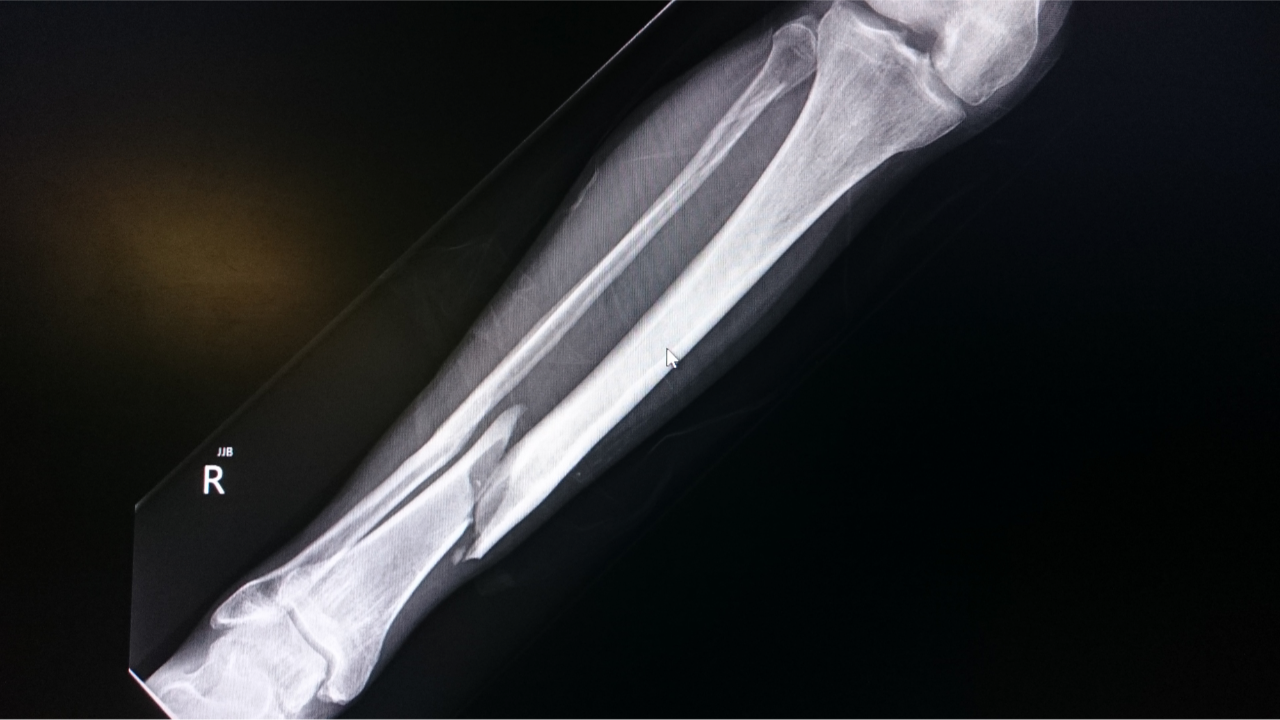
- Long bone fractures
- Joint dislocations
- Pelvic fractures
The key question is rarely “what bone is broken?”
It’s “is this injury stable, unstable, or dangerous?”
Imaging Appropriateness: What Boards Are Really Testing
NBCE trauma questions frequently assess whether:
- X-ray is appropriate initially
- CT or MRI is needed
- Immediate referral is required
Students lose points by:
- Underestimating injury severity
- Over-relying on normal-appearing films
- Choosing conservative care in unstable trauma
Common Student Mistakes with Trauma DXI
Students most often miss trauma questions by:
- Ignoring mechanism of injury
- Focusing on fracture names
- Missing instability clues
- Failing to recognize red flags
DXI trauma questions reward big-picture thinking.
How to Study Trauma Imaging for DXI Success
The most effective strategy is:
- Study trauma by mechanism, not fracture lists
- Practice identifying stable vs unstable patterns
- Learn red flags that override everything else
- Always ask: Is this safe to manage conservatively?
This mirrors NBCE Part III reasoning.
Frequently Asked Questions: Trauma DXI on NBCE Part III
Do I need to memorize every fracture type?
No. NBCE focuses on injury patterns, stability, and management, not exhaustive fracture classification.
How can I tell if a trauma finding is unstable?
Look for:
- Posterior element involvement
- Malalignment
- Neurologic symptoms
- High-energy mechanism
Instability usually means referral.
Will NBCE expect me to choose advanced imaging?
Yes—when plain films are insufficient or red flags are present. Trauma DXI often tests whether you recognize when X-ray is not enough.
Are burst fractures heavily tested?
Yes. Burst fractures are high-yield because they test:
- Pattern recognition
- Neurologic risk
- Management decisions
Are trauma DXI questions always spine-related?
No. While spine trauma is common, NBCE also tests extremity, joint, and pelvic injuries.What’s the biggest mistake students make with trauma DXI?
Underestimating severity. When trauma looks suspicious, NBCE expects cautious, safety-first decisions.
What mindset helps most with trauma questions?
Stop asking:
“What fracture is this?”
Start asking:
“Is this injury stable—and what’s the safest next step?”
That shift dramatically improves accuracy.
Final Takeaway
Trauma DXI on NBCE Part III isn’t about perfect recall—it’s about recognizing danger, instability, and appropriate escalation.
If you can:
- Match imaging patterns to mechanisms
- Identify unstable injuries
- Prioritize patient safety
You’re already thinking the way the exam expects.
This mechanism-based, reasoning-first framework is exactly how our upcoming NBCE Part III DXI review is structured—so students can approach trauma imaging with clarity and confidence.
Still stuck on how to study for your chiro board exam?
Check out all of Chiro Aligned Learning’s products, follow us on Instagram for what to expect during your exams or reach out to us with questions via email at [email protected]!
Don't Miss Any Tips!
New tips, tactics and strategies for effective studying and test-taking sent straight to your inbox.
We hate spam. We will never sell your information, for any reason.
