
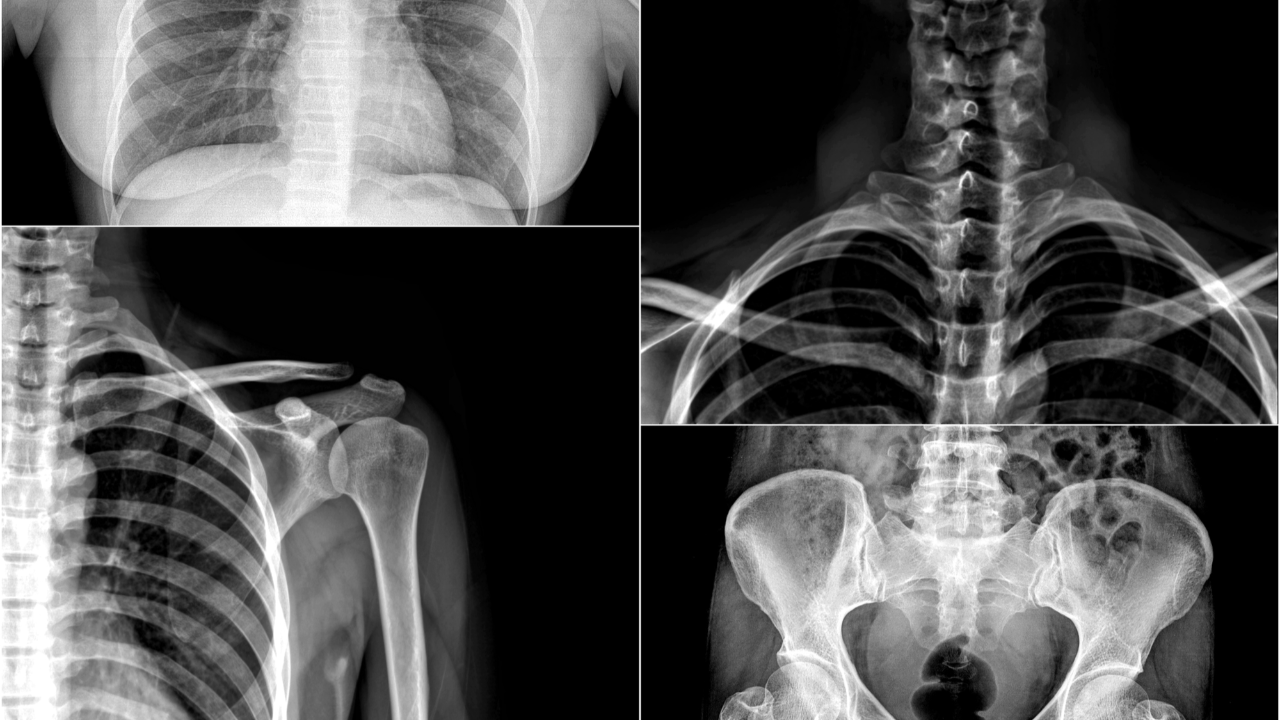
Must-Know Imaging Pathologies & Red-Flag Contraindications for the SPEC Exam
If there is one area on the NBCE Special Purposes Examination for Chiropractic (SPEC) where examinees lose points unnecessarily, it is diagnostic imaging interpretation and patient safety protocols.
Because the SPEC evaluates post-licensure clinical competence, the NBCE places heavy weighting on whether a practitioner can:
-
Accurately identify bone and joint pathology on plain radiographs.
-
Spot "red flag" clinical presentations.
-
Correctly classify absolute vs. relative contraindications to spinal manipulation.
Here is a breakdown of the specific radiographic pathologies, bone conditions, and safety red flags you need to know for exam day.
1. High-Yield Radiographic Pathology
On both the 100 TMCQs and 40 EMCQs, you will be tested on identifying pathological bone and joint changes, as well as ordering appropriate follow-up imaging.
┌─────────────────────────────────────────────────────────────────────────┐
│                      MUST-KNOW RADIOGRAPHIC CONDITIONS                  │
├─────────────────────────┬───────────────────────┬───────────────────────┤
│ Bone Tumors             │ Arthritides           │ Trauma / Congenital   │
├─────────────────────────┼───────────────────────┼───────────────────────┤
│ • Multiple Myeloma      │ • Osteoarthritis      │ • Spondylolisthesis   │
│ • Osteosarcoma          │ • Rheumatoid Arthritis│ • Os Odontoideum      │
│ • Metastatic Bone Disease│ • Ankylosing Spond.   │ • Spina Bifida        │
│ • Osteoid Osteoma       │ • DISH / Psoriatic    │ • Compression Fract.  │
└─────────────────────────┴───────────────────────┴───────────────────────┘
Bone Tumors & Malignancy
-
Multiple Myeloma: The most common primary malignant bone tumor. Look for punched-out lytic lesions, generalized osteopenia, and raindrop skull appearance. Associated with Bence-Jones proteinuria and elevated ESR.
-
Osteosarcoma: Most common primary malignant bone tumor in children/adolescents. Look for sunburst periosteal reaction and Cumulus cloud opacity in the metaphysis (knee/shoulder).
-
Osteolytic vs. Osteoblastic Metastasis:
-
Osteolytic: Missing pedicle sign ("winking owl" sign), vertebral collapse.
-
Osteoblastic: Ivory vertebra appearance (ddx: Paget's disease, Hodgkin's lymphoma).
-
-
Osteoid Osteoma: Benign tumor characterized by a radiolucent nidus () surrounded by reactive sclerosis. Classic clinical presentation: night pain relieved by aspirin.
Arthritides
-
Ankylosing Spondylitis (AS): Symmetrical SI joint blurring/erosion progressing to "bamboo spine," dagger sign, and marginal syndesmophytes. HLA-B27 positive.
-
Diffuse Idiopathic Skeletal Hyperostosis (DISH): Flowing ossification along the anterior longitudinal ligament (ALL) spanning at least 4 contiguous vertebral bodies with preserved disc height and absent SI joint involvement.
-
Rheumatoid Arthritis (RA): Symmetrical joint space narrowing, marginal erosions, and periarticular osteopenia. High-yield note: Transverse ligament laxity leading to ADI instability ( in adults).
2. Absolute vs. Relative Contraindications to Spinal Manipulation
Questions regarding treatment safety are non-negotiable on the SPEC. You must know when adjusting is strictly prohibited versus when technique modification is permitted.
Absolute Contraindications (Never Adjust)
Adjustive care—specifically high-velocity, low-amplitude (HVLA) manipulation—is strictly contraindicated in the presence of:
-
Vascular Emergencies: Active vertebrobasilar insufficiency (VBI) symptoms, suspected carotid artery dissection, or known abdominal aortic aneurysm ().
-
Severe Instability: Acute cervical spine fracture, odontoid fracture, os odontoideum, or inflammatory ADI instability (e.g., active RA, Down Syndrome).
-
Active Infection: Active osteomyelitis, septic arthritis, or spinal abscess.
-
Acute Malignancy: Active primary or secondary bone tumors at the segment of care.
-
Neurological Crises: Acute cauda equina syndrome (saddle anesthesia, bowel/bladder dysfunction, progressive bilateral motor deficit).
Relative Contraindications (Modify Technique / Proceed with Caution)
In these cases, standard HVLA may be contraindicated, but low-force, non-force, or modified conservative care is permitted:
-
Osteopenia / Mild Osteoporosis: Avoid heavy rotational or thrusting forces; utilize low-force instrument or mobilization methods.
-
Stable Spondylolisthesis: Modify posture and vector (avoid extension thrusts at the unstable segment).
-
Chronic Inflammatory Arthritis in Remission: Avoid adjusting during acute inflammatory flares.
-
Anticoagulant Therapy: High risk of hematoma; low-force mobilization preferred over aggressive manual thrusts.
3. Laboratory Interpretation & Advanced Imaging Indications
The SPEC assesses when to move beyond plain films to advanced diagnostics:
Master Safety and Imaging Logic for the SPEC
Safety questions account for a massive portion of the SPEC exam. Understanding radiological pathologies and contraindications ensures you pass the 100 TMCQs and 40 EMCQs with total confidence.
At Chiro AlignEd Learning, we focus heavily on high-yield radiology and clinical decision trees so you are never caught off guard on exam day.
Our NBCE SPEC Exam Review Course includes:
-
High-Resolution Radiology Modules: Clear radiographic breakdowns of tumors, arthritides, fractures, and congenital variants.
-
Red-Flag & Contraindication Drills: Scenarios designed to train your clinical decision-making on absolute vs. relative contraindications.
-
Realistic Exam Simulation: Case-based questions that mirror the actual NBCE testing platform.
Ready to get back to chiropractic practice with confidence?
Explore our NBCE SPEC Review Course and start prep today. Have questions? Reach out to us with questions via email at [email protected].
Don't Miss Any Tips!
New tips, tactics and strategies for effective studying and test-taking sent straight to your inbox.
We hate spam. We will never sell your information, for any reason.
