
Blog
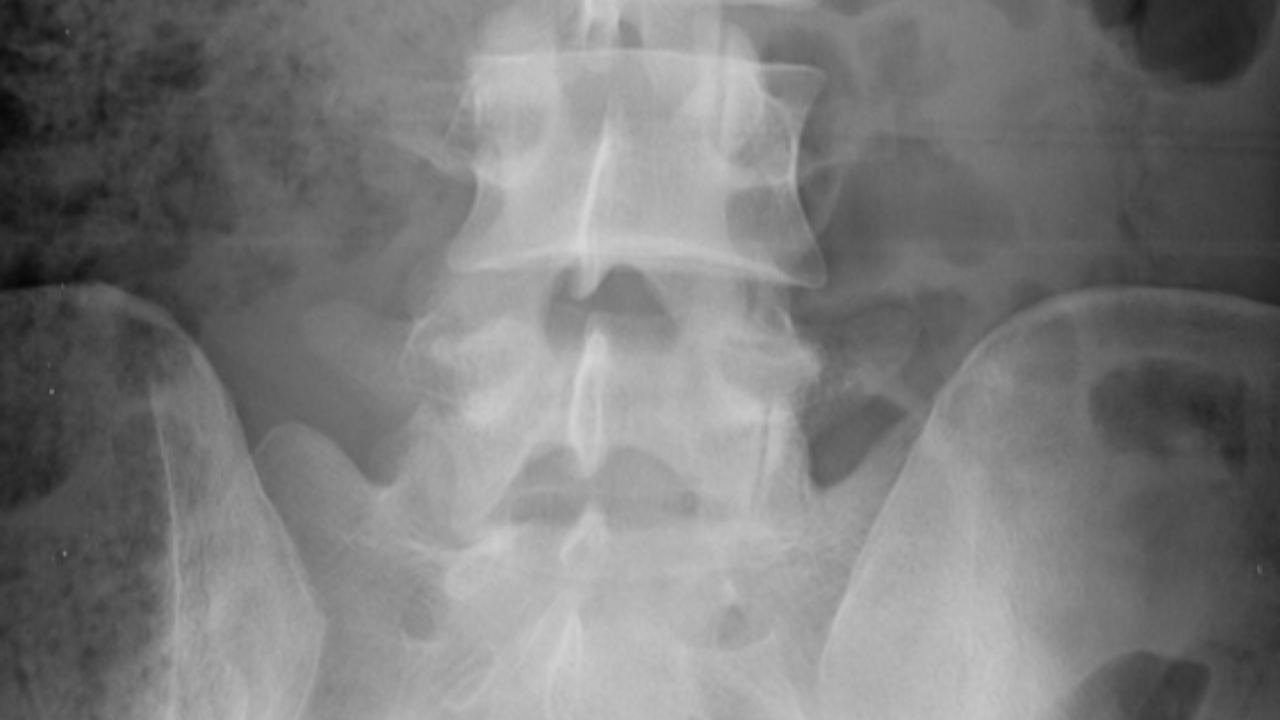
You have treated more low back pain than almost anything else. Thousands of visits, probably. So why does a SPEC low back pain case still feel risky?
Because the exam isn't asking whether you can help a patient with back pain. It's asking whether you can sort a stack of history and exam findings in...

You know how to take a history. You've done it in clinic dozens of times. So why do Part III case history questions feel so slippery?
Because on the exam, nobody is sitting in front of you. You get a few lines of text, four or five answer choices that all sound reasonable, and a clock that keeps mo...
You finally have a handle on Parts I through III, and then someone mentions the Physiotherapy exam. Suddenly you have new questions. Do you even need it? When can you take it? And how are you supposed to study for one more board exam while you're already juggling clinic, classes and life?
Here's th...

NBCE Part III is where everything becomes real.
Suddenly:
- It’s not about flashcards — it’s about decisions.
- It’s not “what is it?” — it’s “what do you do next?”
- It’s not safety in a classroom — it’s safety for real patients.
And then there’s DXI — where images aren’t labeled, and tiny detai...

Failing a board exam can feel devastating — especially when you’ve worked so hard to get this far. But here’s the truth: Failing an NBCE exam does not define your future as a chiropractor.
Thousands of smart, dedicated students fail boards every year…
and go on to become successful DCs.
What matt...

One of the biggest myths in board prep is:
“The more practice questions you do, the better you’ll score.”
Unfortunately, that’s not true.
A giant pile of practice questions can actually hurt your score if:
-
The questions aren’t NBCE-style
-
The explanations are shallow
-
The distractors...

One of the most common questions chiropractic students ask is:
“How long do I actually need to study for boards?”
The frustrating answer most people get:
“It depends.”
But that’s not helpful when you’re balancing:
-
Clinic
-
Exams
-
Life responsibilities
-
And a shrinking timeline
...

The NBCE Part IV exam is the final practical step in most chiropractic students’ journey toward licensure — and it’s unlike any of the earlier written board exams.
Instead of multiple-choice screens…
You’ll be evaluated on real-world clinical skills — from history and examination to technique, cas...

Preparing for NBCE boards can feel overwhelming — especially when you’re trying to choose the right board review program. With so many options, how do you know which one will actually help you pass?
We analyzed the most commonly recommended board review resources among chiropractic students and com...

Understanding the pathways of the cranial nerves is fundamental to mastering neuroanatomy as a chiropractic student. These nerves are essential for sensory and motor functions in the head and neck, and their courses through the skull involve specific foramina, or openings, that allow them to exit or...

Embryology, whewy! …Am I right?! I remember as a chiropractic student I “just wanted to get to the adjusting already!” But let’s pause and to truly understand the intricacies of human development because embryology is where it all starts. It is essential for grasping the origins of anatomical struct...

As a chiropractic student, mastering the intricacies of the nervous system is essential for diagnosing and treating neuromusculoskeletal conditions effectively. After covering the brachial plexus in another blog, let's dive into another crucial nerve network: the lumbar plexus. This guide will help ...
